

Have you ever wondered how kinesthetic learning and online training might work together?
Kinesthetic learning—the act of gaining knowledge through movement and physical experience—taps into the human instinct to learn by doing. From early humans learning to craft tools and hunt, to modern-day hands-on workshops and simulations, movement has consistently helped us understand the world in meaningful, lasting ways.
On the other hand, online training offers flexibility and convenience. However, for kinesthetic learners, it can sometimes feel passive. The good news is that with a few simple strategies, you can bring energy and action to your learning experience.
For example, by using gestures and role-play, or by incorporating movement breaks and tactile tools, it’s easy to make online training work for kinesthetic learners and turn digital learning into something dynamic and memorable.
Learning Styles
When it comes to adult learners, this style of learning is more than just effective—it’s essential. Kinesthetic learning transforms abstract concepts into something tangible and memorable, thereby helping deepen knowledge in practical, engaging ways.
What is Kinesthetic Learning?
Here’s why movement matters:
- Concrete Comprehension: Abstract ideas can be easier for children to grasp when they’re experienced through motion, touch, or physical demonstration.
- Enhanced Memory: Physical activity can improve memory retention. Kinesthetic learners often recall what they did more clearly than what they read or heard.
- Engaging and Energizing: Incorporating movement can keep learners focused, recharged, and more motivated to complete training.
Tips for kinesthetic learning and online training
Physical Repetition
Walk around while reviewing new material. Use gestures to emphasize key terms or concepts as you study.
Interactive Exercises
Choose online courses with interactive elements like quizzes, case studies, or simulations.
Tactile Tools: Use objects like playdough, building blocks, or drawing tools to model or visualize concepts. Keeping your hands busy with fidget tools or other tactile objects can also help maintain focus and reinforce learning through touch.
- Movement Breaks: Take short, regular breaks to stretch or move. A quick walk or set of stretches can re-energize your focus.
- Role-Playing: Act out scenarios to practice applying course content in real-life situations.
- Mind Maps: Create hand-drawn visual maps or diagrams of what you’re learning. Mind maps are visual diagrams that organize ideas, showing how concepts connect and branch out from a central topic. Moving your hands while drawing helps build spatial and mental connections. Give this free, easy-to-use mind mapping tool a try: SimpleMindMap.com
- Teach It Back: Explain new concepts to someone else—or even to yourself out loud. Teaching reinforces learning through active recall and movement.
- Take Notes by Hand: Writing by hand engages fine motor movement and can help you process and retain information more effectively. Use notebooks, index cards, or colorful pens to create tactile, personalized notes that reinforce learning through action.

Writing it out, locking it in—handwritten notes helps actively engage with what you’re studying.
Kinesthetic Learning for Children, Too
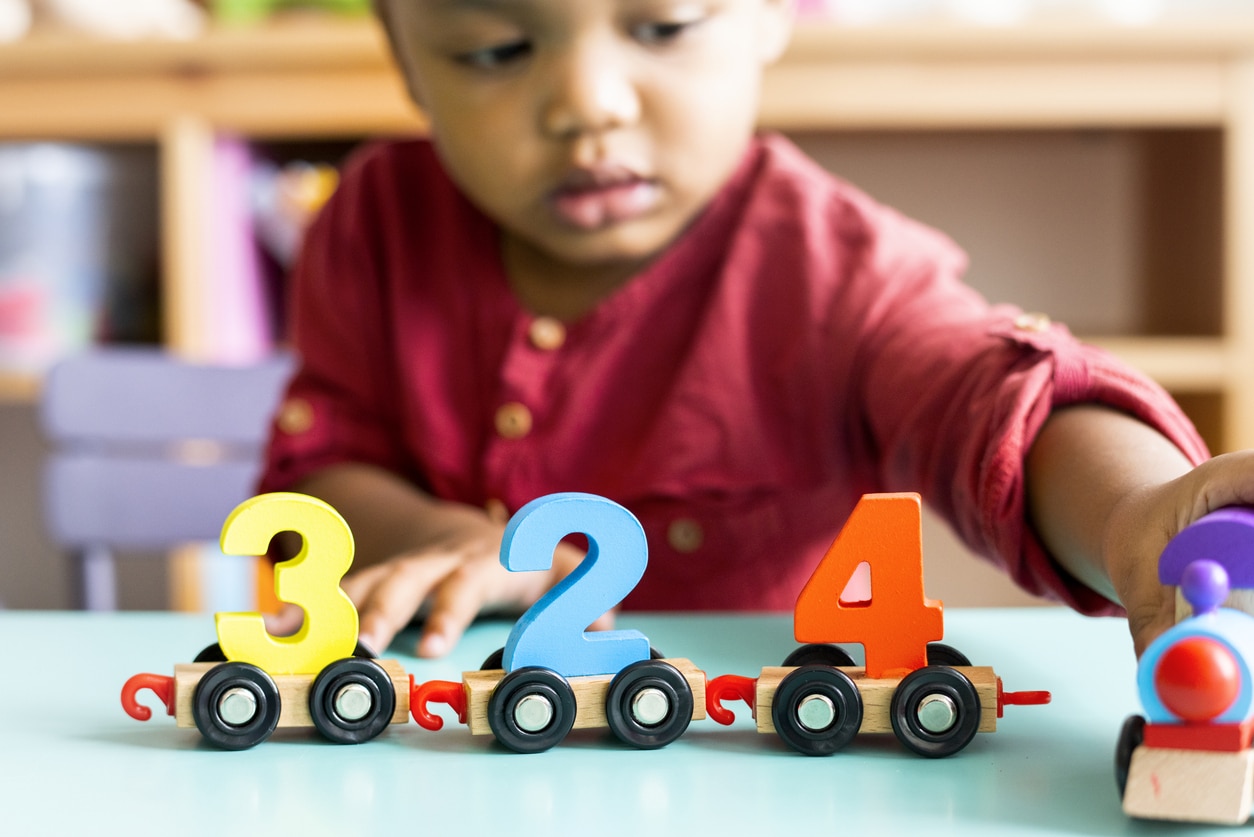
While this blog focuses on you—the adult learner—many of the same principles also apply to children. In fact, young children are natural kinesthetic learners. They explore their world through movement, touch, and physical engagement.
For example, whether they’re building with blocks, acting out a story, or dancing to a song, they’re not just playing—they’re learning. Through these activities, they develop important skills and deepen their understanding of the world around them.

Little hands, big learning—kinetic sand invites sensory exploration that supports focus, creativity, and kinesthetic development.
Want to support young kinesthetic learners? Try:
- Singing songs with hand motions or dance movements
- Offering sensory materials like clay, sand, or water
- Letting children act out stories or classroom routines
- Providing plenty of opportunities for gross and fine motor play

Digging into discovery—gardening is a hands-on way to build motor skills and learn through movement.
When you understand your own learning preferences, you can better support the learning styles of the children in your classroom.
Conclusion: Movement Matters at Every Age
Learning through movement isn’t just a strategy—it’s a mindset. Whether you’re stretching during your online course, building a mind map, or acting out a classroom routine with your preschoolers, kinesthetic learning brings knowledge to life.
Want to explore more ways to support different learning styles in children?
Our Many Ways to Learn Care Course dives into strategies for working with a wide variety of child learners.
Learning Styles
This blog is part of our series on four learning styles. Click below for more information on each of the styles.
Visual Learning
Visual learners absorb information best when it’s presented in a visual format. This includes diagrams, charts, infographics, maps, and other spatial representations. They tend to remember what they see more clearly than what they hear, and they often benefit from color coding, mind maps, and visual organizers. In a learning environment, providing visual aids can help these learners understand and retain complex concepts more effectively.
Auditory Learning
Auditory learners learn best by hearing and speaking. They often benefit from lectures, discussions, audio recordings, and reading aloud. These learners are usually good listeners and may retain information better when they engage in conversation or repeat information out loud. Strategies such as group discussions, storytelling, or using rhymes and music can help auditory learners stay engaged and understand the material deeply. Learn more in our blog: Auditory Learning: The Power of Listening
Kinesthetic Learning
Kinesthetic learners thrive through movement and hands-on experiences. They learn best by doing—through activities like building, role-playing, experiments, and using manipulatives. These learners often struggle with long periods of sitting still and may benefit from incorporating physical movement into lessons. Providing opportunities for active learning can make a big difference in helping kinesthetic learners grasp and apply what they’re learning. Learn more here in this blog!
Reading & Writing Learning
Read/write learners prefer interacting with written words. They understand and remember information best when they can read about it and write their thoughts down. These learners often excel with traditional learning tools like textbooks, handouts, lists, and written instructions. Encouraging note-taking, journaling, and rewriting concepts in their own words can greatly enhance their comprehension and retention.

Happy Learning!



Leave a Reply