
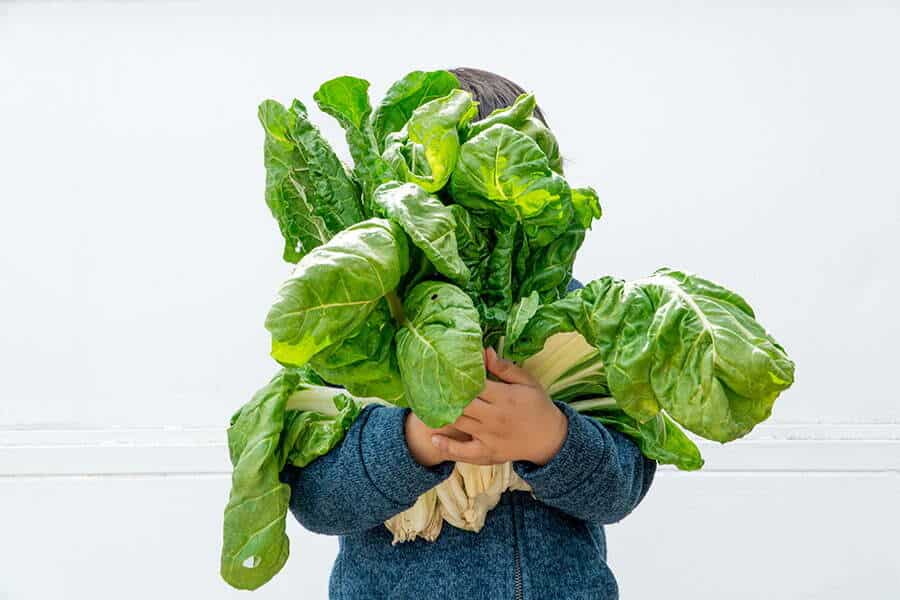
Have you ever tried gardening with children? If you have not, you certainly should! Planting and cultivating a garden with the children in your care is a fun and engaging activity. Gardening with children promotes their understanding of scientific concepts and encourages them to develop healthy eating habits. Children’s social-emotional development is nurtured while gardening, as they learn to have patience and a sense of responsibility. Additionally, gardening with children provides an opportunity to strengthen relationships between children, their teachers, and parents.
In this blog we will discuss:
- Indoor and Outdoor gardening ideas
- How to promote children’s engagement in gardening activities
- Skills children develop through gardening
- Other benefits of gardening with children

Indoor and Outdoor Gardening Ideas
Gardening with children can take place indoors or outdoors. Plan and design a garden that best suits your available space. Plants can grow in a variety of setups. For example:
Outdoor Container Gardens: Use large, 5‑gallon pots and buckets to create an affordable, portable garden. Use potting soil and ensure the containers have drainage holes.
Raised Beds: Raised beds involve growing plants in a bed of soil that is elevated. A frame or edge—usually made of wood, stone, or plastic—surrounds the bed to contain the soil. Benefits of raised beds include improved drainage, moisture balance, and protection from pests such as snails and slugs. Moreover, raised beds can protect more delicate plants from active toddler and preschooler play.
Indoor Window Sill and Container gardens: You can plant shallow-rooted vegetables such as lettuce, radishes, spinach, and herbs indoors! Use any container with drainage holes. Be sure to place a small hand towel or saucer underneath the container to catch drainage water. Remind children that seeds need water and sunlight to grow. Invite them to use a spray bottle to mist the soil, and to help place their pots by the window.

Engaging Children in Gardening Activities
To maximize children’s interest in your garden, include plants of various colors, species, heights, textures, and fragrances. Without a doubt- children enjoy colorful and bright flowers like tulips, marigolds, and sunflowers. Children are usually drawn to vegetables that grow quickly, such as corn and pumpkins.
It is critically important for you to research the toxicity of any plant you plan to have around children, and for you to provide close supervision when young children handle seeds- as they can become a choking hazard.
It is also very important to offer gardening activities that are developmentally appropriate to the age of each child. Infants, toddlers, and preschoolers are at different stages, and their ability to participate will vary. To facilitate their learning throughout the gardening process, ask children open-ended questions. For instance:
•What vegetable do you think this seed will turn into?
•What is the difference between these plants?
•Why do you think it is important to remove the weeds?
•What do you think we should plant next?
With active supervision, most toddlers and preschoolers can
•water and harvest plants;
•plant flowers, seedlings and seeds (with close supervision);
•dig in soil and spread mulch;
•fill pots and bags with soil;
•create art using natural materials from the garden;
•enjoy healthy meals and snacks made from the garden’s harvest.

Skill Development Through Gardening
Gardening with children can promote their development and learning in multiple areas. Specifically:
Self Confidence: Playing an active role in tending to the garden can build children’s sense of self-confidence. Contributing to a complex, long-term process like gardening can be empowering for young children, especially when they watch little seeds transform into healthy, thriving, full-sized plants that they can eat!
Responsibility and Patience: Growing and caring for plants teaches children responsibility and patience. It can take long stretches of time and effort before seeds start sprouting, blooming, or ripening. Because of this, children can learn that their work may not always result in immediate gratification.
Nutritional Awareness: Gardening encourages children to try new and healthy foods. Studies show that children involved in gardening are more likely to snack on fruits and vegetables.
Language and Communication: Learning plant names and discussing the growing process can expand children’s vocabulary and support their language development.
Improved Focus and Memory: Spending time gardening has been found to reduce lack of focus and impulsivity, and can improve children’s attention spans.
Social Skills: Gardening helps promote social skills because children perform tasks together during the gardening process. Collaboration helps children learn how to negotiate, share knowledge and skills, and positively support each other.

Celebrate Diversity through Gardening
Gardening with children can foster their appreciation of diversity and promote cultural awareness. Incorporate diversity into your garden by consulting with and including children’s family members. For example, ask children’s family members the following questions:
•What plants do you grow in your garden (if you have one)?
•What sorts of plants, flowers, and vegetables would you like to see included in our garden?
•Are there any recipes you would like to share with us?
•Would you like to participate in creating and caring for our garden?
Additional Benefits of Gardening
Another great benefit of gardening with children is stress relief. Gardening can relieve children’s stress by providing a place for them to relax, breathe fresh air, and have time to themselves. This stress relief can positively impact their moods and psychological well-being. Furthermore, gardening can be a stress reliever for you too!
Above all else, have fun and relax! There is more to gardening than watering, weeding, and planting. Accept that children will plant too many bean seeds in one hole, step on and break plants, and eat crops before they ripen. That is all part of their learning experience! Whenever you embrace all aspects of the gardening process it results in a joyous activity for everyone.
Want to Learn More?
Take our free course Playing Outdoors. For more tips and information about how to get started gardening with children.
Care Courses Contact
Please let us know how we can be of additional assistance! Call us: 1–800–685‑7610, Monday through Friday, 9–5 ET, or email us days, evenings and weekends: info@CareCourses.com. We’re here to help!




Leave a Reply