
When children see a purpose in what they’re learning, something wonderful happens—they light up with curiosity, motivation, and joy. For early childhood professionals, creating these moments of meaningful learning is both a daily challenge and a deeply rewarding goal.
Why Meaningful Learning in Early Childhood Matters
Children are naturally inquisitive. But to truly retain and apply what they learn, they need to understand why it matters. Therefore, when we connect new ideas to children’s personal interests and everyday experiences, we unlock their intrinsic motivation. As a result, learning becomes not just memorable—but meaningful.

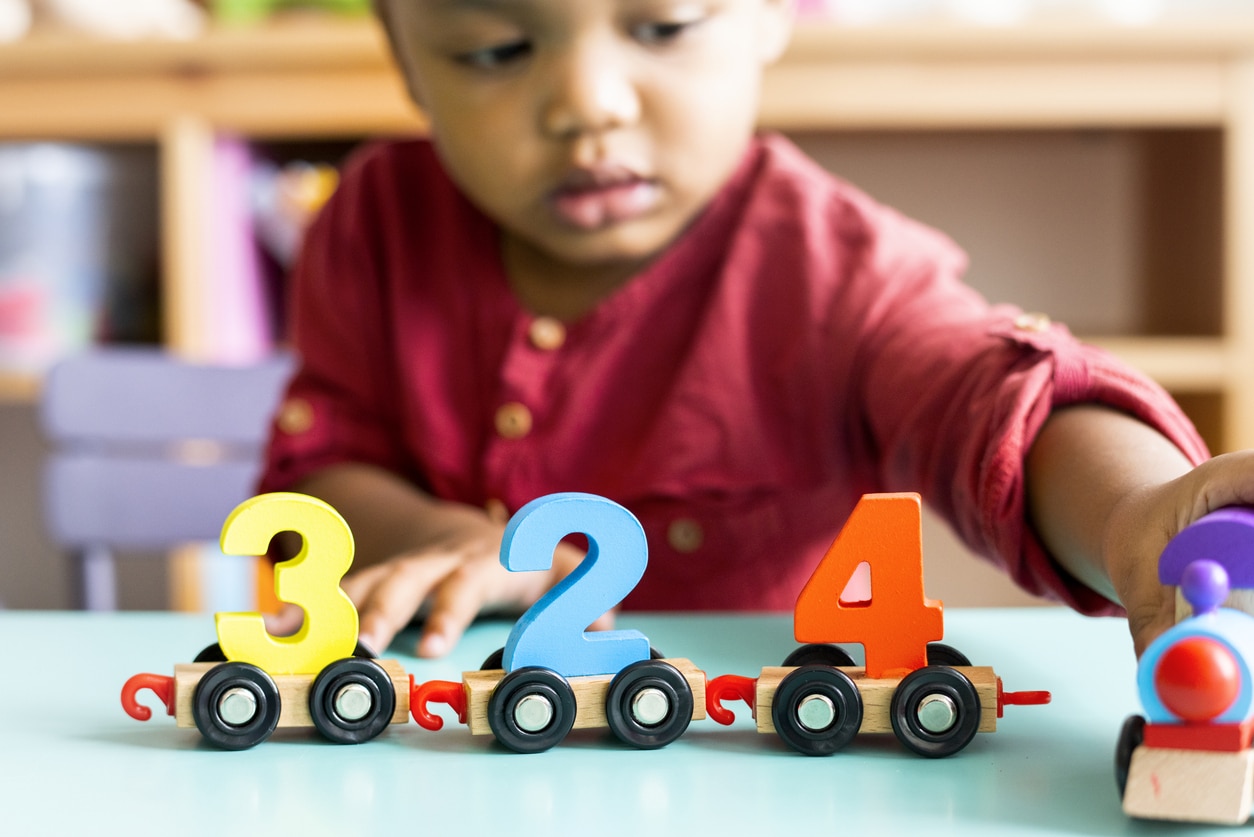
For instance, a child fascinated by animals may become more engaged when learning numbers through counting animal figurines. Similarly, discussing healthy foods during snack time connects nutrition concepts to real life.
Meaningful Learning in Early Childhood Goes Beyond Memorization
Memorizing facts is one thing—but meaningful learning empowers children to engage in higher-order thinking. It encourages them to:
- Ask thoughtful questions
- Make connections between experiences
- Reflect on their learning
Consequently, these experiences lay the groundwork for cognitive skills like analyzing, comparing, and evaluating—abilities that are crucial for lifelong learning.

Meaningful Learning Builds Confidence and Curiosity
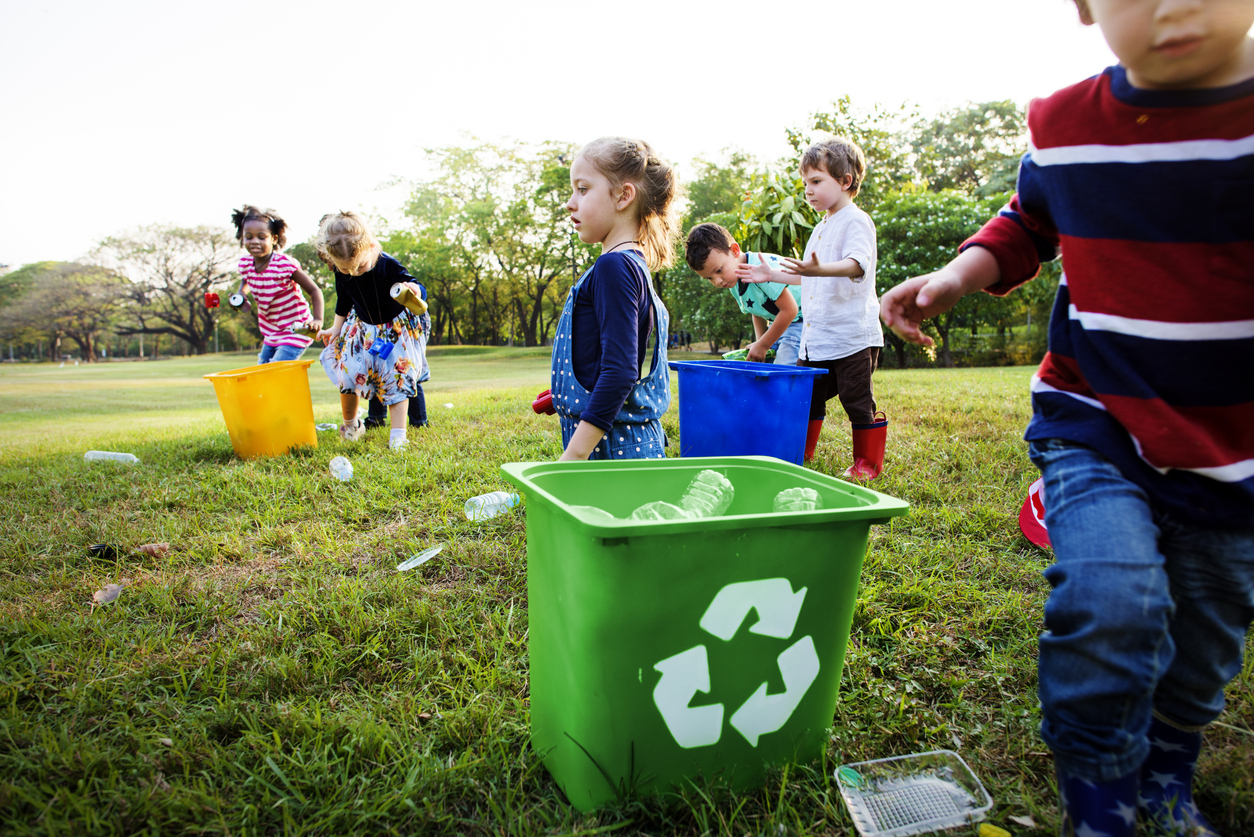
Moreover, when children succeed in tasks that are relevant and interesting, their confidence flourishes. Whether it’s helping care for classroom plants or sorting recyclables, children feel proud when their contributions matter. In turn, this success fuels curiosity and a positive attitude toward learning.
How to Support Meaningful Learning in Early Childhood Settings
Luckily, you don’t need fancy tools or elaborate projects to promote meaningful learning. The key is to be intentional and responsive. Try these strategies:
- Connect learning to children’s interests. If a child is obsessed with construction vehicles, incorporate them into block play or counting games.
- Tie classroom activities to real life. For example, let children roleplay in a grocery store setup or track the changes in the weather.
- Encourage open-ended exploration. Use hands-on materials, nature walks, or sensory bins to let children discover on their own terms.
The Theory Behind Meaningful Learning
Educational theorists like David Ausubel have long emphasized the power of meaningful learning over rote memorization. According to Ausubel, new information is best understood and retained when it can be anchored to what a child already knows.
In other words, learning sticks when it makes sense in the child’s world.
Furthermore, this aligns with constructivist approaches—like those of Jean Piaget and Lev Vygotsky—which highlight the importance of active exploration and social context in early learning.
Who was Piaget?
Jean Piaget was a Swiss psychologist best known for his theory of cognitive development. He believed that children actively construct knowledge by exploring and interacting with their environment. Piaget identified distinct stages of development and emphasized that young children learn best through hands-on experiences that match their developmental level.
Who was Vygotsky?
Lev Vygotsky was a Russian psychologist who focused on the social and cultural aspects of learning. He introduced the concept of the Zone of Proximal Development—the idea that children learn best when guided by more knowledgeable individuals, such as teachers or peers. Vygotsky’s work highlights the importance of language, relationships, and social interaction in a child’s cognitive growth.
These ideas help us understand why some learning experiences resonate deeply with young children—and others don’t.

Example of Meaningful Learning
Scenario: A group of preschoolers is learning about the concept of recycling.
Instead of just telling them what recycling means, the teacher sets up a hands-on activity. Children are given a bin of clean items (plastic bottles, paper, cardboard, food wrappers) and three labeled containers: Recyclables, Trash, and Compost. Together, they sort the items, discuss why each item belongs in a particular bin, and talk about what happens after we recycle.
Why it’s meaningful:
- Children are actively involved in the process.
- The lesson connects to their daily routines (e.g., snack time waste).
- They ask questions and make real-world connections (“Can we recycle yogurt cups?”).
- The experience builds understanding, not just recall.
Outcome: Children not only know what recycling is—they begin to care about it and remember how to do it.
This kind of learning experience embodies constructivist theory:
- Piaget would note how children are constructing knowledge by engaging with materials and problem-solving independently.
- Vygotsky would highlight how the teacher’s guidance—asking questions, offering prompts, and discussing outcomes—supports learning within the child’s Zone of Proximal Development. Watch the video to learn more about the zone:
Example of Rote Memorization
Scenario: Now let’s see what happens when the same preschoolers are taught a chant:
“Recycle bottles, recycle cans, help the Earth … with your hands!”
They repeat it every day for a week, but there’s no discussion or follow-up.
Why it’s rote:
- The learning is surface-level.
- There’s no context or real-life connection.
- The goal is repetition, not understanding.
Outcome: Children may remember the chant—but they may not truly understand what recycling is or how to do it in real life.
From a theoretical perspective, this kind of activity doesn’t offer the cognitive engagement that Piaget and Vygotsky considered essential. Nor does it reflect Ausubel’s belief that learning must be substantively connected to prior knowledge to be retained meaningfully.
To Sum Up
Meaningful learning in early childhood doesn’t have to be complicated. By thoughtfully connecting lessons to children’s everyday lives and interests, we can help them not only remember what they learn—but love the process of learning itself.
Want to learn more? Our Making Learning Fun course dives deeper into this topic.



Leave a Reply